
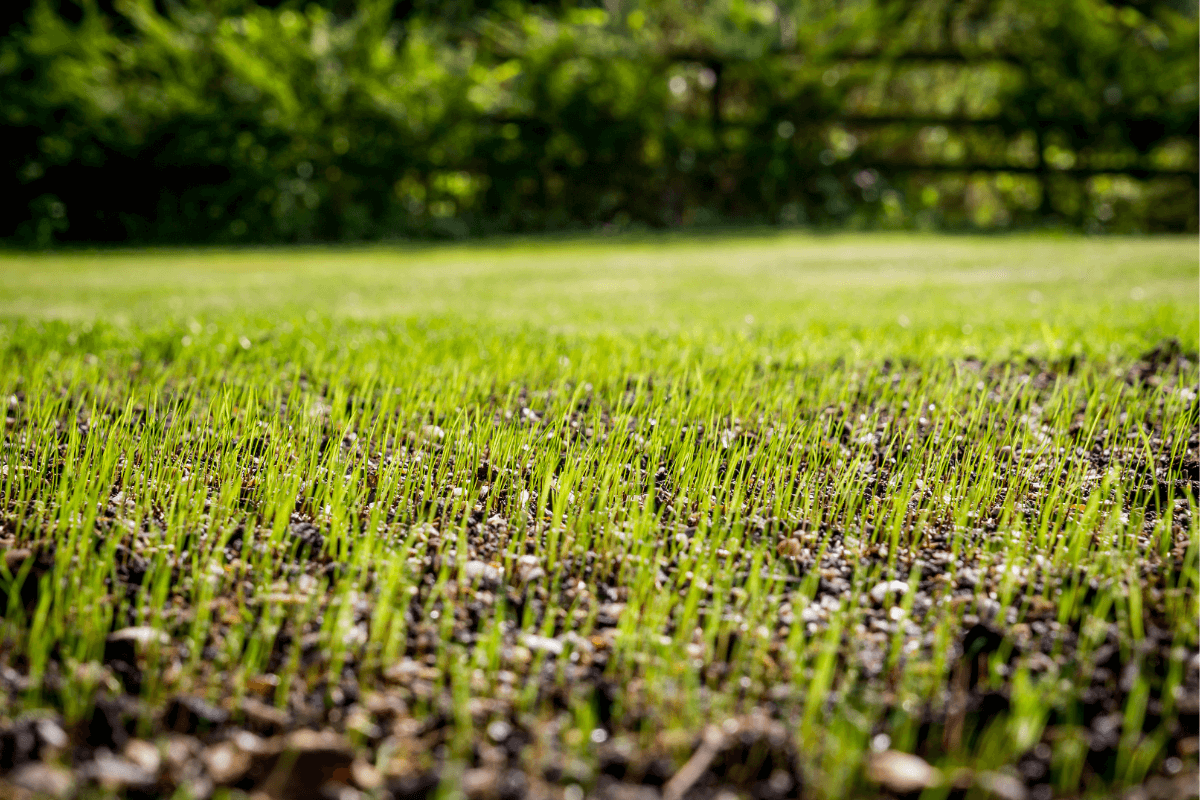
Why Fescue Lawns Need Overseeding
If your lawn is tall fescue, you already know summer is rough on it. Heat and sun leave fescue thin and patchy by August. The structural problem is that cool-season grasses like tall and fine fescue don’t spread laterally — so a bare spot stays a bare spot indefinitely unless you put seed down. The good news is that fall is the ideal time to do exactly that.
Why Fall Is the Best Time to Overseed
Autumn’s cooler weather is what fescue needs. As a cool-season grass, fescue requires a drop in temperature to germinate well and establish a real root system. Warm-season grasses do their growing in summer heat; fescue does the opposite and comes alive as the air cools. Many North Carolina homeowners run a mix of both types to keep coverage through the year, but after a hard summer the fescue portion needs a reset. Early fall, once soil temperatures start falling, is your signal to prepare. The cooler soil is what triggers the grass into active growth and readies the seedbed for germination.
What Fall Overseeding Actually Gets You
Do you have to overseed in fall specifically? Not strictly — but seeding in the first few weeks of autumn is far more likely to give you the result you want.
A thicker, more resilient lawn. Cool weather drives rapid growth in fescue. And because fescues are bunching grasses that grow in clumps, the visual effect is a noticeably fuller lawn. Once established, it holds that appearance through spring.
Better weed resistance. Weeds need open space, and any bare patch is an invitation. Filling those gaps promptly is far easier than fighting established weeds later. A dense lawn isn’t just better looking — it physically crowds weeds out.
One caution: don’t overseed a lawn that was recently treated with pre-emergent herbicide. The pre-emergent will suppress your new grass seed right along with the weeds.
Improved drought tolerance. Dry stretches aren’t unusual here, and a full stand of tall fescue handles them better than most cool-season grasses. Thin, patchy fescue is much more vulnerable, especially in late summer. Overseeding closes the gaps and gives the soil a continuous cover of turf that holds moisture.
Recovery from summer stress. North Carolina summers are hard on lawns, warm-season grasses included. Fall overseeding lets the lawn rebuild before winter arrives. The new growth protects the soil surface, which benefits everything growing in it.
Flexibility in seed selection. You aren’t limited to a single variety. There are several fescues and most combine well. Mixed warm- and cool-season plantings are common in North Carolina landscaping precisely because the combination keeps the yard green through more of the year. Fairway Green uses high-quality seed blends selected for this climate.
Preparing the Lawn for Overseeding
Test your soil. Every lawn’s soil profile is different. North Carolina soils share some characteristics, but your mineral and nutrient levels won’t match your neighbor’s. Knowing what you have — and amending accordingly — is what makes overseeding succeed.
Choose the right seed. You know you want a cool-season grass, but which one depends on your soil test results. Tall fescue is thicker and bunchier than fine fescue. Whatever you choose, buy quality: look for a very low or zero percentage of weed seed and a germination rate of 85% or higher. Cheap grass seed is expensive in the long run.
Aerate. Aeration belongs in regular maintenance anyway, and scheduling it in fall to coincide with overseeding is what produces the best results. Core aeration is especially effective paired with seeding — the plugs it removes leave divots that hold and protect seed while it germinates.
Mow and prep. Check your thatch layer. If it’s very thick, dethatch before doing anything else. Light thatch can be loosened by raking; heavier buildup calls for a power rake, a combination of dethatching and core aeration, or professional help. Once thatch is handled, mow down to about 1.5 inches.
Put the seed down. Use a drop-style spreader rather than a rotary spreader. Overseeding typically takes about half the seed you’d use to establish a new lawn — roughly 3 to 4 pounds per 1,000 square feet. Water regularly and keep the seedbed consistently moist until seedlings emerge. Covering the area lightly with straw or grass clippings adds protection. Stay off the new seed for at least a month, and hold off on any herbicide or weed control until the grass is established.
Professional Help With Fall Overseeding
Overseeding looks simple, and conceptually it is — but the results depend on getting every step right in the correct order. If you’d rather not gamble a season on it, the team at Fairway Green handles fall overseeding along with year-round lawn care across the Triangle. Contact us for a quote.
