
Brown Patch Lawn Disease: What North Carolina Homeowners Need to Know
If your North Carolina lawn develops large, circular brown areas during the summer — especially after a stretch of hot, humid nights — brown patch disease is likely the culprit. It’s one of the most destructive fungal diseases in the Southeast, and North Carolina’s climate makes lawns here especially vulnerable. Fairway Green helps NC homeowners understand, prevent, and treat brown patch before it causes lasting damage.
What Is Brown Patch?
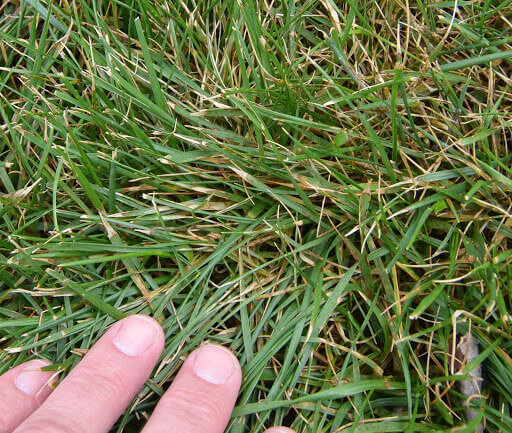
Brown patch (Rhizoctonia solani) is a fungal disease that attacks the leaf sheaths and blades of turfgrass. It spreads rapidly under the right conditions, creating irregular circular patches that can range from a few inches to several feet in diameter. The outer edge of active patches often shows a darker, water-soaked ring, while the interior grass collapses and turns tan or brown.
Why North Carolina Lawns Are High Risk
North Carolina sits squarely in the transition zone — where both cool-season and warm-season grasses are grown. Tall fescue, one of the most popular grasses across the Piedmont and foothills, is highly susceptible to brown patch. The disease thrives when:
- Daytime temperatures exceed 85°F and nighttime temperatures stay above 70°F
- Relative humidity is high — common across NC from June through August
- Leaves remain wet for extended periods from dew, rain, or evening irrigation
The Research Triangle, Charlotte metro, and Piedmont areas typically see the worst brown patch pressure in July and August, though coastal counties can experience it even earlier in the season.
Identifying Brown Patch vs. Other Issues
Brown patch is often confused with drought stress or heat dormancy. Key differences to look for: brown patch patches are roughly circular and may have a darker outer ring; drought stress tends to produce more uniform thinning without a distinct circular shape. If you see affected areas expanding rapidly after humid nights, disease is far more likely than drought.
Prevention Strategies
Reducing the conditions that favor brown patch is your first line of defense:
- Water in the early morning so grass dries quickly — never irrigate in the evening
- Avoid excessive nitrogen fertilization in summer, which produces lush growth that’s more susceptible
- Mow regularly and at proper height to improve air circulation through the canopy
- Dethatch and aerate to reduce moisture retention in the thatch layer
Treatment Options
Once brown patch is active, fungicide applications can stop its spread and protect healthy surrounding turf. Preventative fungicide applications are most effective when applied ahead of the high-risk window rather than after patches appear. Products containing azoxystrobin, propiconazole, or trifloxystrobin are commonly used for brown patch management. Multiple applications may be needed during extended periods of warm, humid weather.
Recovery After Brown Patch
Tall fescue damaged by brown patch can recover, but the process takes time. Severely affected areas may need to be overseeded in the fall — the ideal time for fescue renovation in North Carolina. Fall overseeding between mid-September and mid-October gives new seed time to establish before winter.
Protect Your NC Lawn with Fairway Green
Fairway Green’s lawn care programs include fungal disease control and preventative treatment timed to North Carolina’s summer weather patterns. Don’t wait until patches appear — contact Fairway Green to build a protection plan for your lawn this season.
