
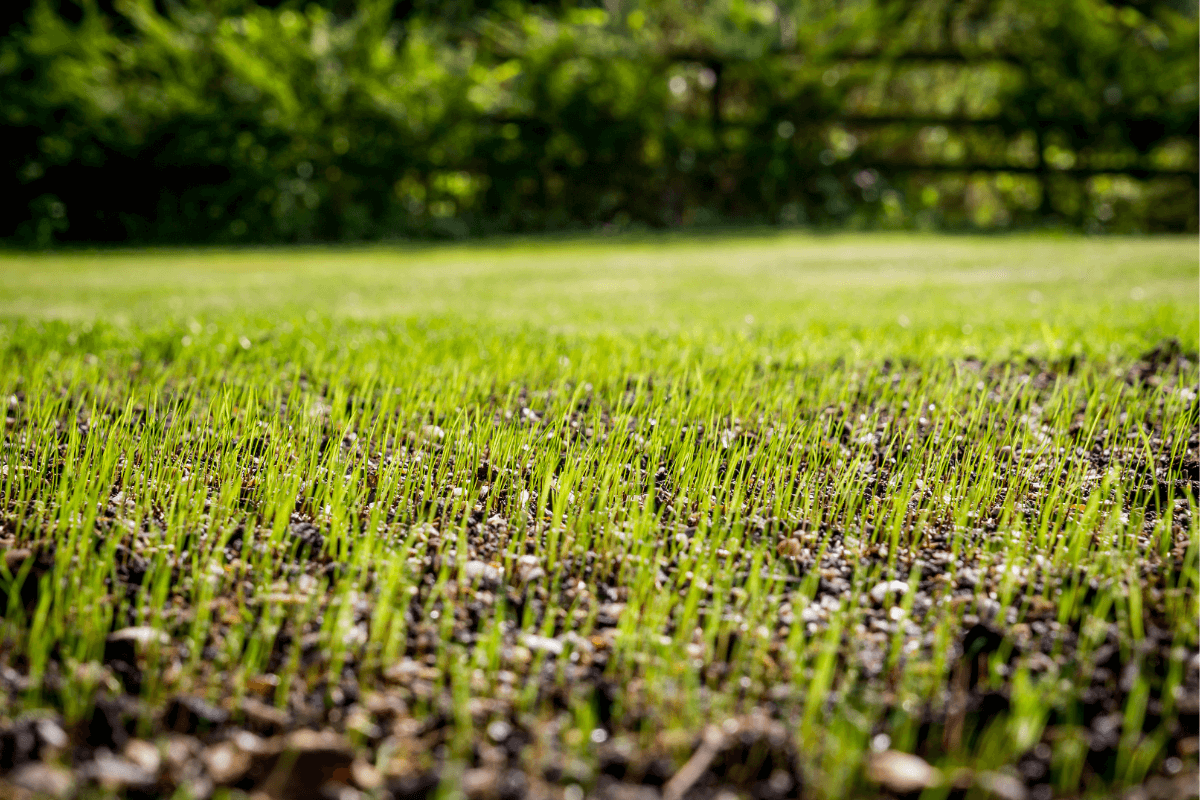
Why Fall Overseeding is Essential for Raleigh and Charlotte Lawns
North Carolina sits in what is known as the “transitional zone.” This means our weather swings from cold winters to hot summers, making it challenging to maintain a lawn that thrives year-round. Because no single grass type is a perfect fit for the climate, even versatile options like Tall Fescue require the right timing for successful growth. When it comes to overseeding, fall is by far the best season for long-term results.
What Is Overseeding?
Overseeding is the process of planting new grass seed into an existing lawn. This helps to fill bare patches, thicken thinning turf, and improve overall color and health. Unlike warm-season grasses such as Bermuda or Zoysia, Fescue does not spread on its own, so overseeding is the best way to maintain density and a lush appearance.
Why Fall Is the Best Time to Overseed
Favorable Temperatures
Fescue grows best when air temperatures are between 55 and 80 degrees and soil temperatures remain above 55 degrees. These conditions are common in North Carolina during early fall, creating an ideal environment for seed germination and root development. By starting in September or October, new grass has time to establish before winter.
Summer Recovery
Fall is a time where fescue lawns need attention the most. Hot summer weather can be rough on cool season grasses so fall is the ideal time to replenish and repair damaged areas.
Stronger Root Development
Fescue is known for having one of the deepest root systems of any cool-season grass. Fall overseeding gives seedlings the chance to develop strong roots before summer stress returns. A well-rooted lawn is more resilient against disease, drought, and heat.
Why Spring Overseeding Often Falls Short
While it may be tempting to seed in spring, the risks outweigh the benefits.
- Heat and Drought Stress: As soil temperatures rise into the mid-80s and 90s, fescue roots slow their development. Grass seeded in spring rarely matures enough to survive North Carolina’s hot, dry summers.
- Greater Disease Pressure: Spring brings warm, humid conditions that favor diseases like Brown Patch, Dollar Spot, and Pythium. Newly seeded lawns are especially vulnerable, and fungicide treatments can harm young grass.
- Weed Competition: Skipping pre-emergent weed control to allow seed growth often leads to crabgrass and other aggressive weeds taking over. Applying pre-emergents, on the other hand, prevents seeds from germinating at all.
- Redundant Effort: Even if spring overseeding succeeds, most lawns will still need another round in fall to maintain density. That means twice the work and cost in one year.
Overseeding with Fairway Green
At Fairway Green, we use a high-quality seed blend designed for the unique climate of Raleigh and Charlotte. This premium seed mix provides excellent heat tolerance, drought recovery, disease resistance, and a rich green color. Paired with expert timing and professional care, overseeding with Fairway Green ensures your lawn stays thick and healthy year-round.
Fall overseeding is one of the smartest investments you can make for your lawn. Contact Fairway Green today to get a quote for overseeding services in Raleigh, Charlotte, Cary, Apex, Wake Forest, and nearby areas. A greener, healthier lawn begins with the right care this fall.
